India’s Preparation Enters a Crucial Phase
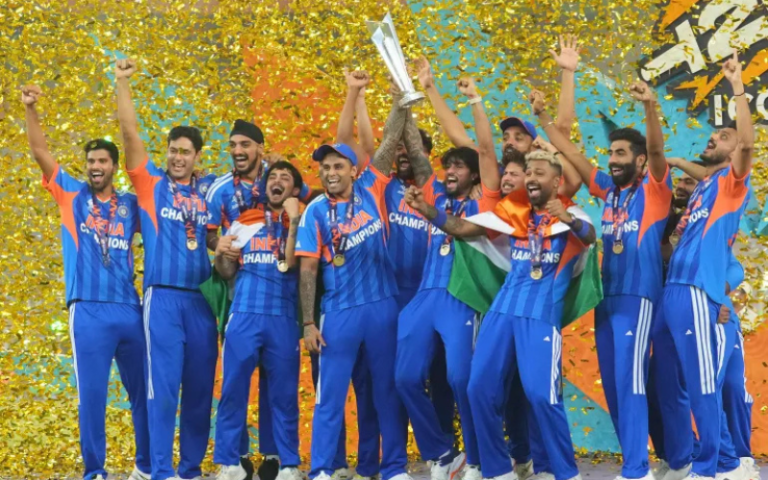
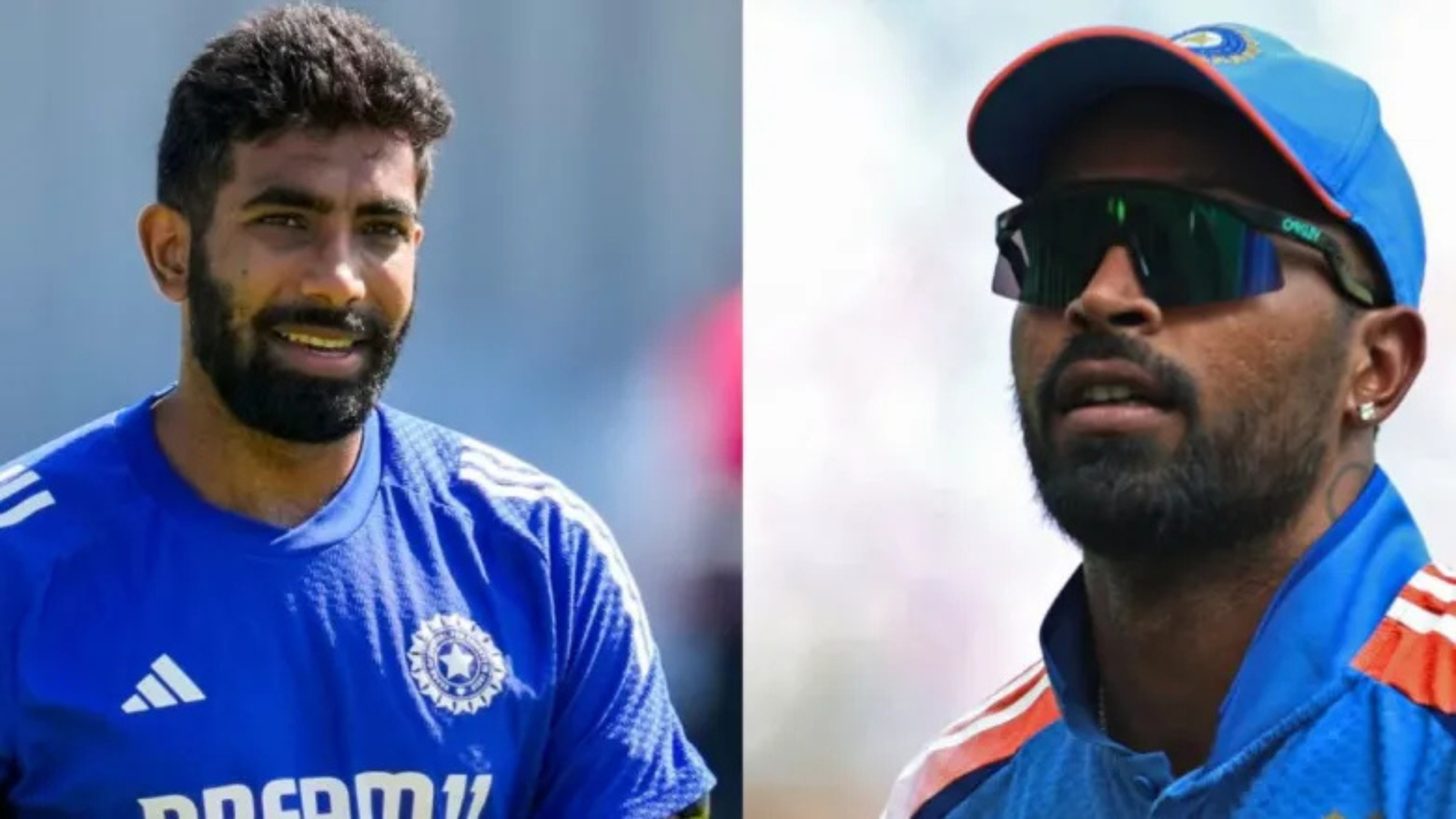
As the countdown to the T20 World Cup begins, Team India’s preparation has entered a decisive stage. With limited time left before the global tournament, the focus has shifted from experimenting across formats to building a settled, match-ready T20 unit. In line with this approach, Jasprit Bumrah and Hardik Pandya are unlikely to be seen in the ODI setup during the immediate build-up period.
Workload Management Becomes the Priority
Modern cricket leaves little room for recovery, especially for players who operate at high intensity. Bumrah and Hardik fall into that category, with one leading the pace attack and the other contributing in multiple departments. The team management appears keen to avoid overworking them in 50-over matches, which are physically demanding and could lead to fatigue ahead of a major T20 event.
Why Bumrah’s Absence Makes Sense
Jasprit Bumrah’s value in T20 cricket goes far beyond numbers. His ability to strike early, control the middle overs, and deliver under pressure at the death makes him irreplaceable. Bowling ten overs in ODIs, especially in back-to-back matches, can take a toll on any fast bowler. By keeping him away from ODIs, India ensures that their pace spearhead remains fresh, sharp, and fully prepared for high-pressure World Cup games.
Hardik Pandya’s Role Needs Careful Handling
Hardik Pandya’s importance lies in the balance he brings to the team. As a fast-bowling all-rounder, he adds depth to both batting and bowling, something India heavily relies on in T20 cricket. Given his recent injury concerns, the management seems focused on easing him into competitive cricket rather than exposing him to the longer format too soon. Limiting his workload now could help him perform at full capacity when it truly matters.
Format-Specific Planning Takes Center Stage
The decision to rest Bumrah and Hardik from ODIs highlights a growing trend in international cricket format-based preparation. Teams are increasingly tailoring player participation depending on tournament priorities. With the T20 World Cup being the primary target, it is logical for India to invest maximum energy into sharpening skills relevant to that format.
Opportunities for Other Players in ODIs
While senior players step aside, ODI matches open doors for others to prove themselves. Younger players and fringe members of the squad get valuable match exposure, allowing selectors to assess bench strength without putting pressure on established stars. This also helps India maintain competitiveness across formats without compromising long-term goals.
Fan Expectations vs Team Strategy
From a fan’s perspective, not seeing star players in every series can be disappointing. However, team strategy often demands tough calls. The ultimate aim is success at the biggest stage, not short-term results in bilateral series. If these decisions lead to a fully fit and confident squad at the T20 World Cup, the approach will be widely appreciated.
Conclusion
Keeping Jasprit Bumrah and Hardik Pandya away from ODIs ahead of the T20 World Cup is a well-planned move rather than a surprising one. It underlines India’s commitment to smart scheduling, player fitness, and peak performance. As the tournament approaches, all eyes will be on how this strategy pays off when the pressure is highest and expectations are even higher.
About The Author