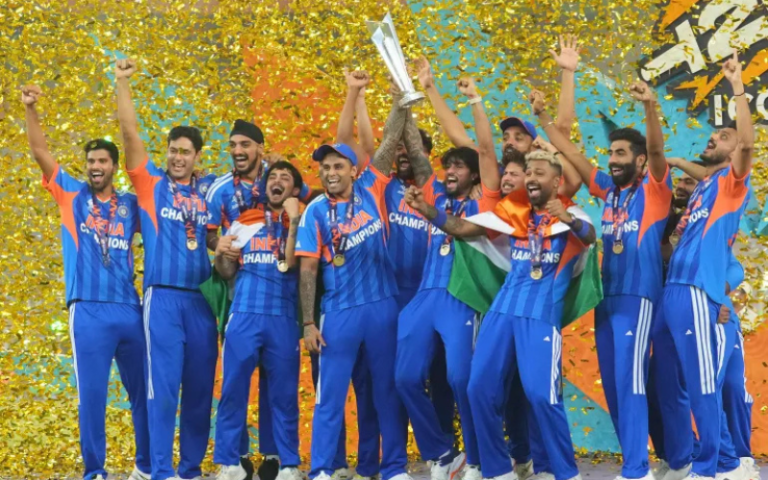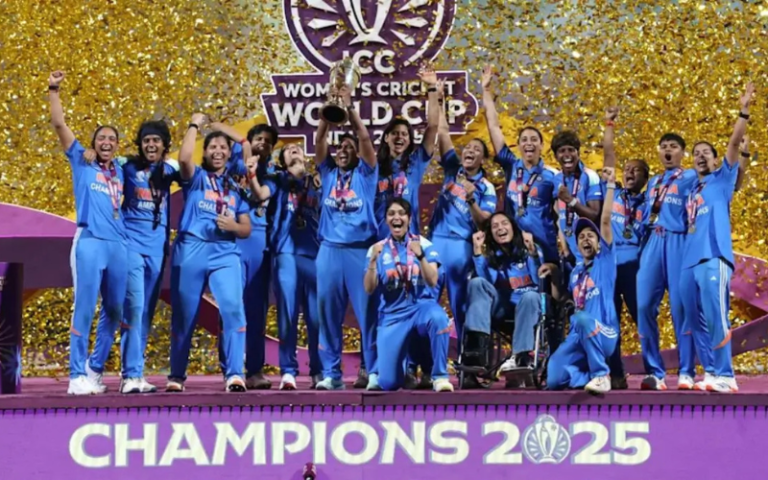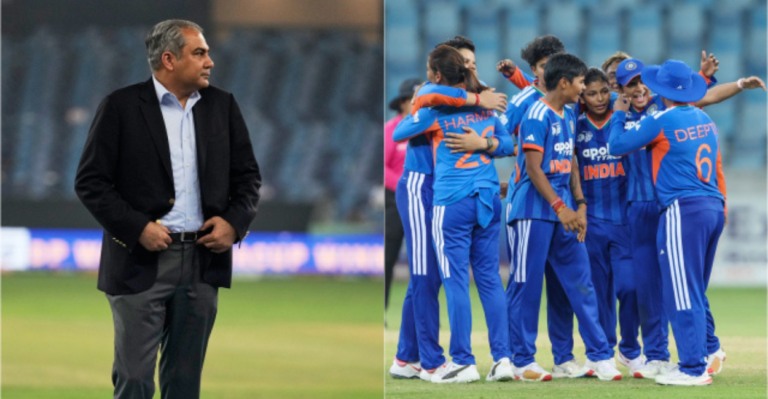
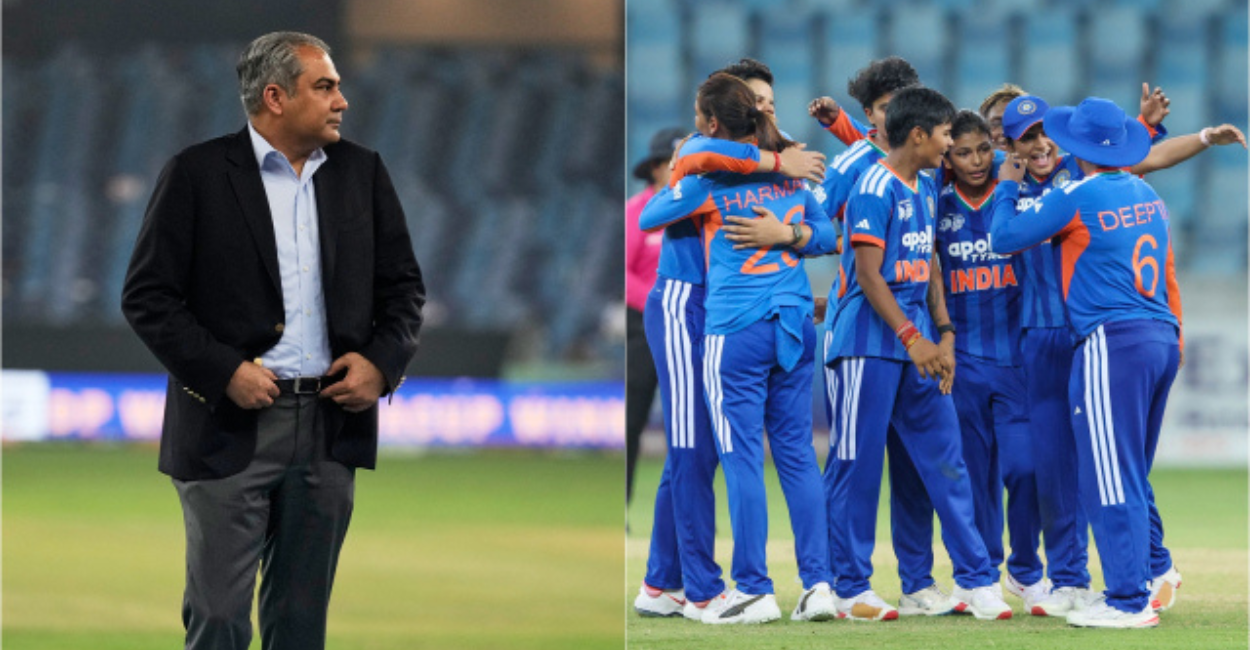
India have added another major achievement to their women’s cricket history after defeating Sri Lanka by 72 runs in the Women’s Asia Cup 2026 final in Dubai. Harmanpreet Kaur’s side delivered a strong all-round performance to secure their eighth Asia Cup title, once again underlining their dominance in the tournament.
The final, however, became a talking point for reasons beyond the cricket. While India celebrated a convincing victory on the field, the traditional trophy presentation did not take place with the Indian team. The decision attracted significant attention because of the presence of Asian Cricket Council president Mohsin Naqvi, who is also Pakistan’s interior minister and chairman of the Pakistan Cricket Board.
India Put Up a Strong Total in the Final
Batting first, India produced an impressive total of 183 for five. Smriti Mandhana and Shafali Verma played the biggest roles in setting up the innings, giving India the kind of start needed in a high-pressure final.
Mandhana scored 59 runs, while Shafali Verma produced an aggressive 68. Their partnership gave India momentum during the early stages of the innings and allowed the middle order to play with greater freedom. By the time Sri Lanka came out to chase, India had already created a challenging target.
The performance also showed the depth in India’s batting unit. Rather than depending on one individual, the team managed to build a competitive total through a combination of attacking strokeplay and sensible partnerships.
India’s Bowlers Finish the Job
Sri Lanka needed a strong start with the bat to stay in the contest, but India’s bowling attack quickly changed the direction of the match. The Indian bowlers kept the pressure on and prevented Sri Lanka from building any meaningful partnership.
Shree Charani was particularly effective, finishing with four wickets for 20 runs. Her spell played a major role in restricting Sri Lanka, who were eventually bowled out for just 111.
With Sri Lanka falling 72 runs short, India completed a comfortable victory and sealed their eighth Women’s Asia Cup championship.
India’s Eighth Asia Cup Championship
The victory is another important milestone for Indian women’s cricket. Winning the Asia Cup once again reflects the team’s consistency in the continental tournament and highlights the strength of the current squad.
The combination of experienced players and younger match-winners has given India a balanced side. Performances from players such as Mandhana, Shafali and Charani showed how different parts of the team contributed when it mattered most.
For Harmanpreet Kaur and her players, the final was ultimately about delivering under pressure. They controlled the match with the bat, followed it up with disciplined bowling and finished the tournament as champions.
Trophy Presentation Becomes the Major Talking Point
Despite winning the title, the Indian team did not take part in the traditional trophy presentation involving Mohsin Naqvi. The trophy ceremony became a major talking point after the match, with the Indian players absent from the stage while the presentation proceeded without them.
The incident comes against the backdrop of continuing tensions between India and Pakistan. A similar situation had occurred during the men’s Asia Cup final in 2025, when the Indian team also did not accept the trophy from Naqvi.
This time, the decision involving the women’s team again placed cricket and regional politics in the same conversation. BCCI secretary Devajit Saikia later described the decision as a conscious institutional choice made after considering the circumstances surrounding the event.
A Victory That Goes Beyond the Trophy Ceremony
The unusual ending to the final may have attracted headlines, but it does not change what India achieved on the field. The team won the championship by a convincing margin and produced one of its strongest performances when the pressure was at its highest.
For women’s cricket in India, the eighth Asia Cup title is another sign of the team’s growing consistency. The performances throughout the tournament have also provided encouragement ahead of the next major challenges on the international calendar.
While the trophy presentation became controversial, the result itself was clear. India were the better team in the final and deserved their victory.
India Look Ahead After a Memorable Asia Cup Campaign
India can now move forward with confidence after another successful Asia Cup campaign. The performances from both senior players and emerging talent give the side plenty to build on as the international season continues.
The final will likely be remembered for two very different reasons: India’s commanding 72-run victory over Sri Lanka and the unusual trophy presentation that followed.
For the Indian women’s team, though, the most important fact remains simple they finished the tournament as Asia Cup champions for the eighth time.
About The Author