Indian cricket has stepped into a new phase as the Board of Control for Cricket in India (BCCI) officially announced the central player contracts for the 2025–26 season. Covering the period from October 1, 2025 to September 30, 2026, this year’s contract list stands out not just for the names included, but for the clear shift in philosophy behind how players are categorized and rewarded. From leadership transitions to structural changes, the updated contracts reflect how Indian cricket is adapting to evolving formats and priorities.
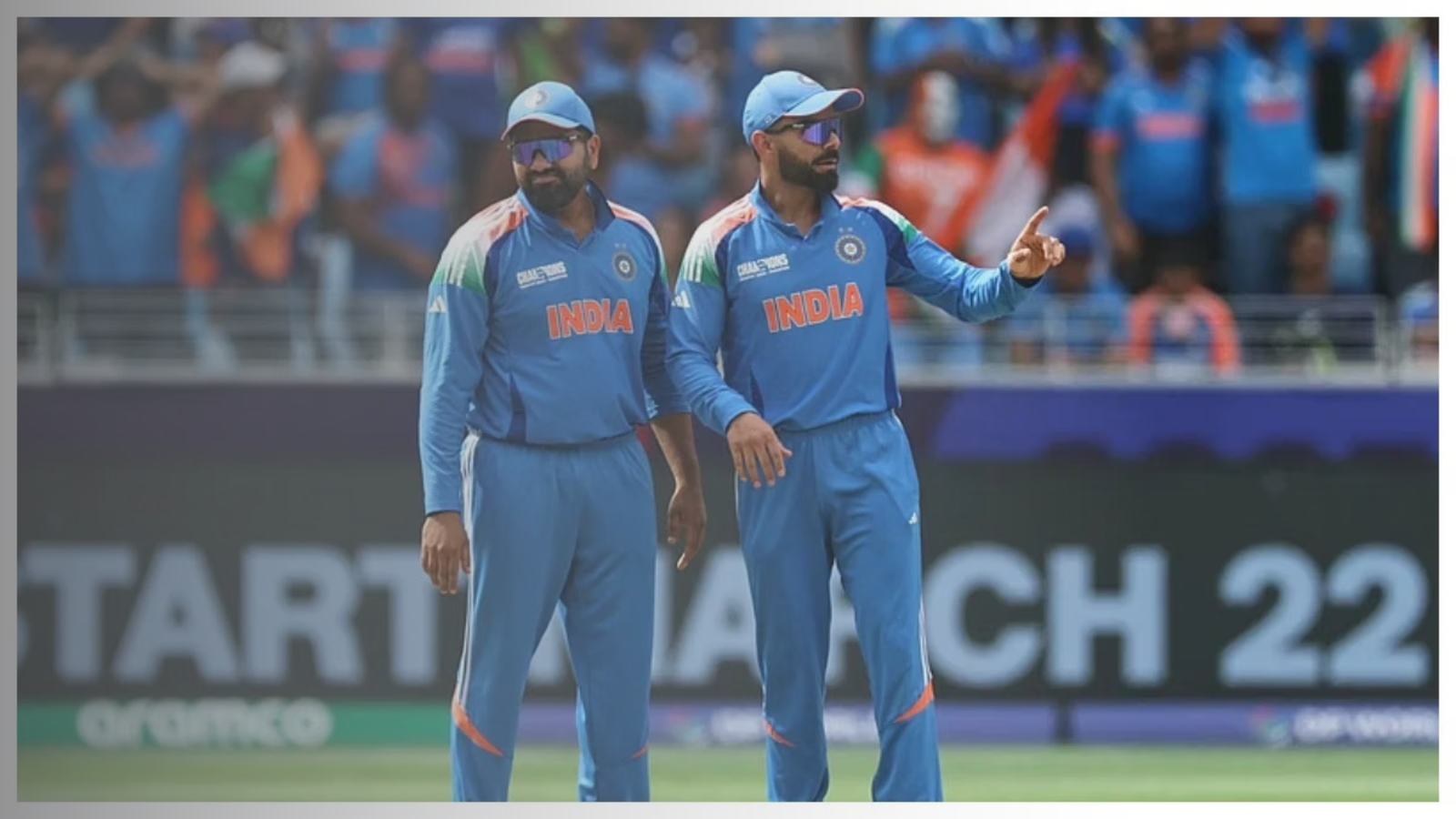
One of the biggest talking points from the men’s contracts is the movement of senior icons Virat Kohli and Rohit Sharma to Grade B. Following their retirement from Test cricket last year, both veterans are now active only in the ODI format. Their reclassification signals a performance-and-availability-based approach rather than one rooted purely in stature or legacy, highlighting how the board is aligning contracts with current roles in the team setup.
At the other end of the spectrum, Shubman Gill has emerged as a major beneficiary of the reshuffle. India’s new Test and ODI captain has been promoted to Grade A for the first time, sharing the top tier with Jasprit Bumrah and Ravindra Jadeja. This promotion underlines Gill’s growing responsibility and consistency across formats, while also reinforcing the board’s trust in a new leadership core for the national side.
A significant structural change accompanies these individual movements. The BCCI has done away with the Grade A+ category, reducing the men’s contract system from four tiers to three. This move brings parity between the men’s and women’s contract structures and simplifies the grading system, making it more streamlined and uniform across Indian cricket.
In terms of new faces, Sai Sudharsan is the only fresh entrant to earn a central contract in the men’s list, marking a major milestone in his career. On the flip side, players such as Sarfaraz Khan, Mohammed Shami, Ishan Kishan, Rajat Patidar, and Mukesh Kumar have missed out this season, a reminder of how competitive and dynamic contract allocations have become.
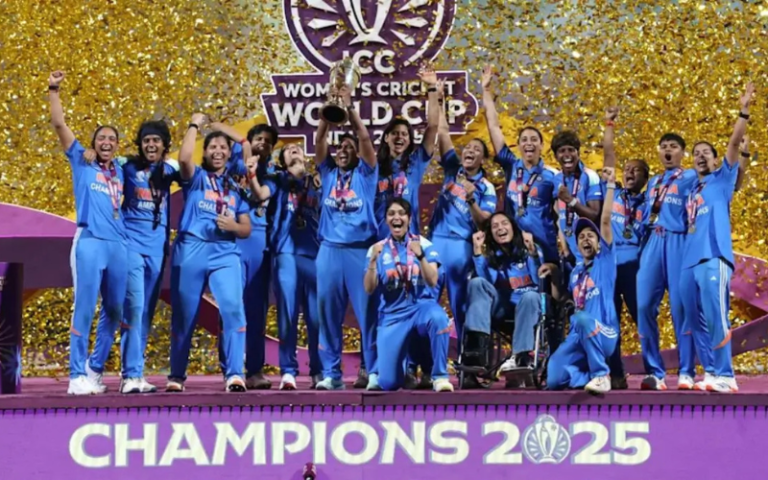
The women’s contracts, meanwhile, showcase both continuity and progress. Smriti Mandhana, Harmanpreet Kaur, and Deepti Sharma continue to hold their places in Grade A, reflecting their sustained impact and leadership in the national side. They are joined by Jemimah Rodrigues, who earns a well-deserved promotion after an exceptional year, including a pivotal role in India’s triumphant campaign at the ICC Women’s Cricket World Cup 2025.
Another notable rise in the women’s list is Sneh Rana, who moves up from Grade C to Grade B, highlighting her growing importance in India’s plans. The contract list also opens doors for several new talents, with Pratika Rawal, Kranti Gaud, Sree Charani, Kashvee Gautam, G Kamalini, Vaishnavi Sharma, and Tejal Hasabnis all receiving their maiden central contracts. Harleen Deol finds herself placed in Grade C, adding depth to the lower tier.
However, not everyone made the cut this year. Shreyanka Patil, Pooja Vastrakar, and Titas Sadhu are among the notable absentees from the women’s contract list, underlining the tough competition and evolving selection benchmarks.
Overall, the 2025–26 central contracts paint a clear picture of where Indian cricket is headed. The emphasis has shifted toward current contribution, format relevance, and long-term planning. By backing emerging leaders, rewarding performance, and restructuring the contract framework, the BCCI has signaled its intent to future-proof Indian cricket while still respecting the experience that built its foundation.
About The Author