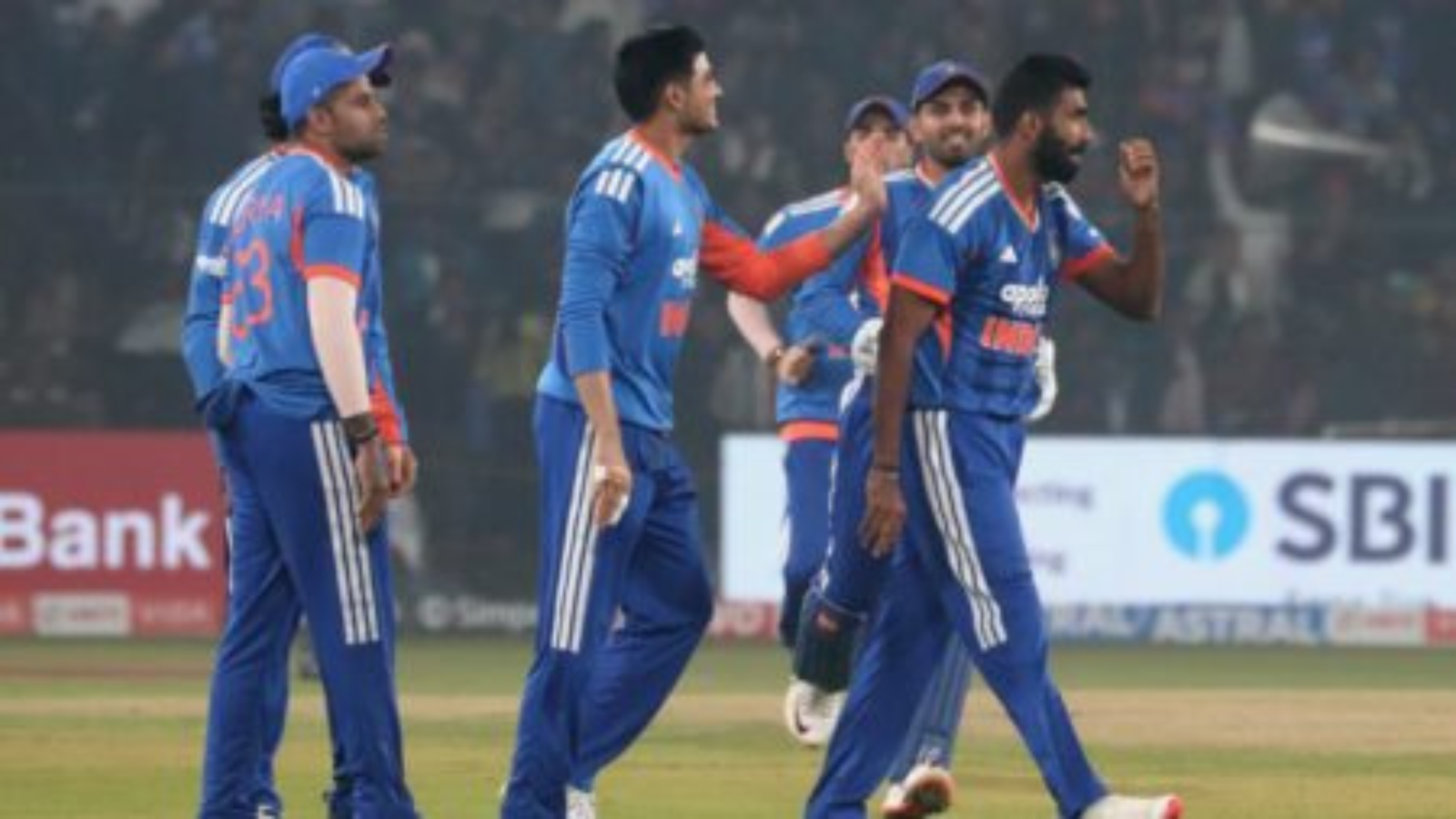
Cricket is an emotional game where fine margins decide victory or defeat, but sometimes tension goes beyond the players on the field and spills into the dugout and commentary box. That’s exactly what happened during the second T20I between India and South Africa in Mullanpur, a match that will be remembered not just for the result but for one particular over that changed the mood of the evening.
India’s left-arm quick Arshdeep Singh, known for his aggressive bowling and ability to deliver under pressure, had a night to forget. In the 11th over of South Africa’s innings, he struggled to maintain the control that defines his best spells. What started with a boundary from Quinton de Kock put him on the back foot, and as he tried to adjust his line and length, the wides just kept coming seven wides in one over. That meant he had to bowl 13 deliveries instead of the usual six, giving away 18 runs in an unusually expensive and chaotic effort. The sheer number of wides equaled an unwanted T20I record traditionally held for such mishaps, and even cricket statisticians were left shaking their heads.
On the commentary front and in the dugout the situation quickly drew sharp reactions. Sunil Gavaskar, watching and speaking as a seasoned commentator, didn’t mince words about the lack of discipline in that over, emphasizing that repeating the same line without success is a recipe for disaster at this level. Meanwhile, cameras repeatedly cut to Gautam Gambhir, the Indian head coach, who was visibly frustrated in real time. Unlike the usual calm and composed coaching demeanor, Gambhir’s annoyance was clear — a reflection of how costly that over had become in such a crucial phase of the match.
It wasn’t just about one bad over. That moment symbolized a wider struggle for India’s bowling unit in the match, where control and tempo were hard to find against a confident South African batting lineup. De Kock ended up scoring a powerful 90, putting his team in a position to post a commanding total. For the Indian camp, the ripple effects were visible — not just in the match situation but in body language and reactions off the field too.
For fans and pundits alike, this incident sparked a larger conversation about expectations at the international level. Some argued that a coach showing passion and frustration is part of the competitive spirit, while others felt that publicly expressing anger especially in front of young players might not be conducive to confidence and team morale. This debate mirrors larger questions facing Indian cricket: how to balance high standards and emotional intensity with support and patience for players developing under pressure.
What’s undeniable is that cricket is as much about psychology as skill. In an era where every gesture, expression and sideline reaction is captured and shared instantly on social media, a single over can turn into a defining moment stirring discussion, controversy, and deeper reflection on how the game is played and led.
About The Author